Ring in 2023 With a New Heating System

The New Year is a Good Time for Heater Installation

As homeowners, people try to wait as long as possible to spend money on big ticket items such as renovations and heater replacement. Unfortunately, when the time comes, there may be no other option than to have a total system replacement. This article will detail how homeowners can tell that their heater is going out and what the options are for new heater installation.

How to Know If a Heater is on its Last Legs

Though a loss of heat may be the most obvious sign of problems with a heater, there are many other indicators that show a heater is headed for failure long before there is no heat at all. The heater may demonstrate malfunction in several ways, such as:

  • Age (more than 10 years old)
  • Banging
  • Popping
  • Whistling or screeching
  • Constant running
  • Running too hot
  • Short cycling
  • Struggling to reach the ideal temperature
  • Temperature fluctuations

All of these are indicators of a need for service, but depending on the age of the unit and what is wrong, a full heater replacement may be necessary.

Which Heater is the Right Choice?
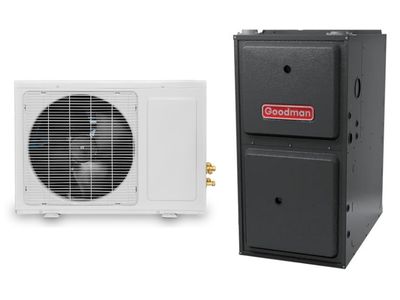
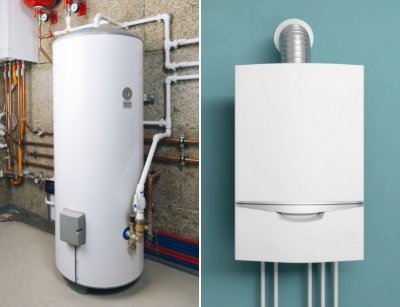
heaterJust as there are many different dishwashers or other appliances that do the same job, there are many different forms of heating systems. A homeowner or household has to decide what will best fit their needs. The options for heating include electrical heating, the furnace, the boiler, and the heat pump. These will be discussed in detail with the pros and cons below.

  • Electrical Heating: This heating type is often used for central heat and air conditioning units. A coil heats up and air blows across it and takes the heat to the rest of the house. These units are often part of one HVAC unit that does heating and cooling. They are fairly easy to service and are widely available. These units are less efficient than some of the other choices on the list.
  • Boiler: Boilers have been used for more than a century. Though nowadays the technology is more advanced, the basics of the boiler have mostly stayed the same. A heat source (usually gas-powered) heats water in a closed tube system that spreads the hot water throughout the house, providing radiant heat. These tubes can be installed behind baseboards and even underneath floors. Boilers are highly efficient and are good for air quality, but they can be expensive to install and sometimes difficult to service.
  • Furnace: The furnace uses a flame to heat air distributed throughout the home, usually via air ducts. Sometimes these are wall units that are for smaller spaces. These are fairly easy to install and provide good consistent heat. They bring with them the hazards of gas if there is a leak or a pilot goes out. 
  • Heat Pump: This system is unique in not generating heat. It takes heat from the air, water, or underground(geothermal) and brings it into the house. This is the most common form of heater used with ductless mini splits. It is highly efficient and quiet, though it may not heat well in large, open spaces. 

Schedule Heating Maintenance Early

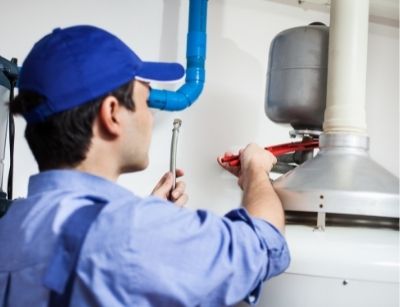
maintainingIf a homeowner chooses or needs to get a new heater installed, they should consult the HVAC technician on completion of the project about when to schedule maintenance. A maintained system is more efficient, costs less in repair, and keeps the home comfortable despite the frightful outdoor weather.

About Daniels Plumbing, Heating and Air Conditioning, LLC

Demonstrating expert workmanship and providing 24 hour emergency service, Daniels Plumbing, Heating and Air Conditioning, LLC has been part of the community of Santa Fe, NM and the surrounding areas for more than a decade. Call today to schedule heater service.

Installing a Sump Pump Is a Holiday Must-Have

Homeowners Should Consider Gifting Themselves the Security that Comes With a Sump Pump

Whether a home has a beautifully finished basement or just a concrete room for storage, no one wants to find their basement filled with water. Especially in this cold season, the temperatures can make the water much more difficult to deal with. Ensuring a working sump pump on the basement floor is vital to preventing flooding. A basement should have a recessed area known as a sump pit or sump pump basin where any water that makes its way into the lowest level of the house should flow. In this pit, the sum pump does its work and removes the water from the home. This article will detail the reason a home with a basement needs a sump pump.

Why a Home Needs a Sump Pumpsump pump

Simply put, sump pumps take water that may have flooded into a lower level of the house and pump it outside to a predesignated area. This area may be a ditch, a pond, a sewer, or any area the homeowner wants. Because basements are below the ground, they are the room in the house most likely to be flooded and the hardest area to remove water from. Thus a sump pump is needed to:

  • Prevent water damage to property
  • Prevent mold and mildew growth
  • Prevent foul basement odors
  • Help preserve household keepsakes and items that are stored in the basement
  • Prevent electric shock from the deadly combination of water and electricity

Pedestal vs. Submersible: Types of Sump Pumpspumps

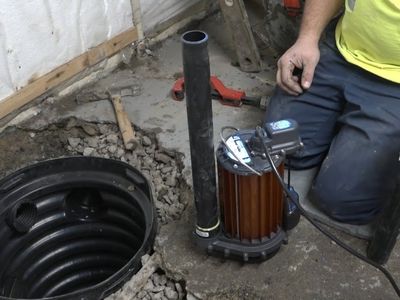
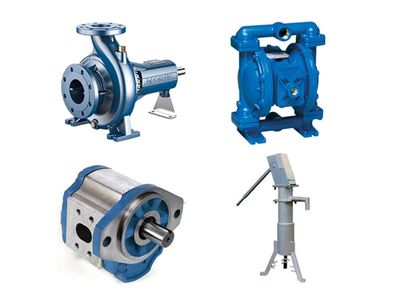
There are two types of these pumps: the pedestal sump pump and the submersible sump pump. Each type has pros and cons, so homeowners must decide which pump best suits their home and basement setup. Below is a breakdown of the basics of each pump type:

  • Pedestal Pumps: These pumps stand outside the sump pit and have a pipe or hose extending into the sump to remove the water. The benefits of these pumps are:
    • May last longer due to less wear and tear on parts.
    • Can fit into small sump pits.
    • Easy to service
  • Submersible Pumps: The submersible pumps live up to their name as they are placed directly in the sump pit or basin and underwater when working. The advantages of these pumps include:
    • Quieter
    • Take up less space
    • Slightly more powerful

Homeowners should consult with their local plumber about the choices that may be best for their home.

Is a Sump Pump Backup Necessary?

If a home has one sump pump, does it need a backup pump? This would only be necessary if power is lost to the main pump. Thunderstorms and other inclement weather are prime times for using a sump pump, and they are also the times when the electricity tends to go out. A manual pump or a battery backup sump pump is a very good idea. Even combination sump pumps can run on the house’s electricity when on but can switch to battery operation if the home loses power.

About Daniels Plumbing, Heating and Air Conditioning, LLC

With 24-hour emergency service, excellent workmanship, and 100% satisfaction guaranteed, Daniels Plumbing, Heating, and Air Conditioning, LLC proudly serves the greater Albuquerque, NM area. Call them today for sump pump service from a company that goes above and beyond for their customers.

Avoid the Terror of Backflow This Halloween With Backflow Testing

Backflow and How to Avoid It

Few home emergencies are as scary as plumbing problems. And among the scariest problems is that of backflow. But with such an innocuous name, homeowners would be forgiven for thinking that backflow isn’t such a big deal. After all, what does it matter if water flows back? Essentially, this is what backflow is: when water flows in the opposite direction that it’s supposed to go. Unfortunately, backflow can cause major problems that can not only be costly to fix but can also endanger the health of those in the house. Read on to learn about backflow and how to prevent it with backflow testing. 

The Terror of Backflow

waterBackflow is a potential problem in any plumbing system. The most well-known cases of backflow issues involve dangers to public health. These are instances where sewage or wastewater flows backward and contaminates potable water, which is then sent to houses and businesses, where people drink or bathe in the water. Backflow prevention and testing are required by law to prevent these public health dangers. However, backflow can still happen on a smaller scale in a home’s plumbing system. 

Backflow in a home can contaminate the home’s potable water without the homeowner’s knowledge. This can cause serious health risks for those who ingest or bathe in the water. But the terrors of backflow don’t stop there. Backflow can also cause water overflow from fixtures, causing extensive water damage. It can also contribute to leaks within the plumbing system. Luckily, backflow is easy to prevent — a certified backflow tester does provide testing.  

The Backflow Testing Process

testingBackflow testing is a process that usually takes thirty minutes or so. During this time, the water will need to be turned off. A certified backflow tester will run a series of tests to ensure that any backflow prevention components are working properly. Usually, contamination from backflow happens because of a sudden pressure loss and the failure of a backflow prevention device. Having these devices tested regularly helps to ensure that they work as designed when most needed. 

The backflow testing process generally includes:

  • Ensuring the proper function of check valves
  • Verifying that airports open and close when appropriate
  • Checking that the inlet and relief valves function properly during pressure changes

Benefits of Backflow Testing

The benefits of backflow testing are clear: it ensures that backflow prevention devices work as designed. The failure of a backflow prevention device can cause contamination of the home’s water supply. And when a home’s water supply is contaminated, it can be difficult to ensure it’s clean and safe to drink again. 

Additionally, nearly all counties or municipalities require businesses and multi-family dwellings to perform regular backflow testing. So while it’s a good idea to have regular testing, it’s required by law to have commercial properties tested. Luckily, it’s a cost-effective way to prevent public health issues and ensure the safety of those in the home or business.  

About Daniels Plumbing, Heating and Air Conditioning, LLC

Daniels Plumbing, Heating and Air Conditioning, LLC has served Albuquerque, NM, since 2010. They offer 24/7 emergency service and upfront pricing for no-surprises service. They also provide expert workmanship and a peace-of-mind guarantee on every job. Contact them today for backflow testing in Albuquerque, NM.

Getting to Know Water Heater Basics

Back to Class for Essential Water Heater Information

Since August is normally the time for prepping for getting kids ready for back to school, it’s a good reminder that adults should always be learning, too. It is important to know at least a little about the appliances in the house, especially the ones that are easy to take for granted. The water heater is a perfect example of this, so here is a general guide to the essentials of water heaters.

Defining Water Heaters by Type

water heater typesOne of the first things a homeowner needs to know about their water heater is what type it is. There are several types of water heaters, not just brands and sizes, but those with different fuel types and functionalities. The major types include the following:

  • Storage Tank Water Heaters: These traditional water heaters have a tank full of 40 or 50 gallons of water. This type of heater maintains the temperature of the water in the tank within given parameters and uses electricity, gas, or even solar power to heat the water.
  • Electric Water Heaters: These heaters use an electric coil to maintain water temperature. Gas Water Heaters: This type of heater uses a gas flame to maintain temperature. Fuel type will depend on the type of water heater but can include kerosene, propane, or natural gas.
  • Heat Pump Water Heaters: Heat pumps are very efficient systems for heating and cooling a home and can be used for heating water. They do not have a heat source but pull heat from the outside environment to raise the water’s temperature.
  • Tankless Water Heaters: Also known as on-demand water heaters, tankless water heaters heat water to temperature nearly instantaneously and only as needed. They eliminate the need for a large storage tank (making them perfect for small spaces) and do not waste energy maintaining water temperatures when water is not being used.
  • Lesser Known Types: Some other types include solar and energy-efficient water heaters.

Water Heater Maintenance

water heater repairLike any other appliance, the water heater needs regular maintenance to function properly and avoid constant repairs. Maintenance should be performed regularly by a professional and may include some of the following tasks:

  • Drain water heater
  • Flush water heater
  • Descale water heater
  • Replace anode rod
  • Tighten pipe connections
  • Tighten electrical connections
  • Clean burner/heating element
  • Checking or replacing the pressure release valve (PRV)

How to Know if a Water Heater Needs Repairs

Despite regular maintenance, no machine can last forever. Eventually, a home will need water heater repair or water heater replacement. If the water heater is making strange noises or is not heating the water properly, these are signs that the appliance may need some attention. Rusty-colored water and foul smells in the dishwasher or washing machine may also indicate a problem. If a homeowner sees any of these problems, they should call a plumbing professional and get an assessment.

About Daniels Plumbing, Heating and Air Conditioning, LLC

Daniels Plumbing, Heating and Air Conditioning, LLC provides the best service in Albuquerque, NM. They offer a 100% satisfaction guarantee on their workmanship and 224-hour emergency service, so they are available when their customers need them most. Call today for water heater services!

Common Option for Air Ducts in Homes and Businesses

Pros and Cons of Different Air Duct Designs

Air ducts are an important part of every air conditioning system found in homes or businesses, but most people have never even seen the air ducts where they live or work. Air ducts are installed in crawl spaces and attics and are seldom interacted with by their owners. As a result, homeowners and business owners are usually surprised when they learn about air ducts and the different styles available. 

This quick article is intended to inform people about their options for air ducts. There is no one-size-fits-all solution to air distribution, and customers should educate themselves to choose the best air duct design for their AC system when they schedule a new AC installation. 

ductsWhy Are There Different Types of AC Ducts?

Different air ducts exist so that HVAC installers can make a personalized system for each home or business. Most structures are custom-built so no single air duct material will be the correct choice for a project. Instead, the various materials available for air duct material each serve to make air conditioning systems more efficient and safe. 

The main purpose of air ducts is to convey conditioned air without losing efficiency. As air passes over the evaporator coil, it wants to absorb heat from its surroundings. Good insulation on ductwork prevents a loss of BTUs (British Thermal Units) from the cooled air and keeps the structure more comfortable and efficient. 

Common Air Duct Materials and Styles

There are several common choices when it comes to selecting ductwork materials. The most common are:

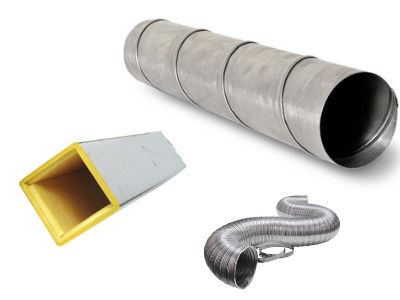
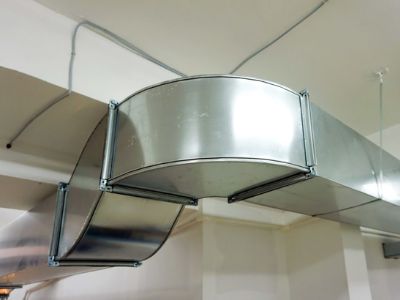
  • Sheet Metal: Sheet metal is the best choice in most home settings and non-commercial buildings. Sheet metal ducts are more expensive than other options, but they last indefinitely and can be built to accommodate nearly every situation. After ducts are assembled they are wrapped in insulation to prevent loss of efficiency. 
  • Fiberglass Lined Air Ducts: These ducts are more common in commercial settings with large commercial AC units. The ducts are made of sheet metal insulated inside with fiberglass batts. 
  • Flexible Ducts: Flexible ducts are the cheapest option, but they interfere with airflow, causing a loss of efficiency. In limited cases, they are the right choice to navigate tight spots for branch lines, but one shouldn’t use them for an entire home. 
  • Fiberboard Air Ducts: Fiberboard ducts and trunks are custom-made to provide a connection to smaller branch lines. They are very efficient and a good choice to be included at some point in most AC systems. 

Choosing the Best Option ducts

The best options for air ducts should include properties like:
  • Non-porous to prevent bacterial growth
  • Sealed fiberglass to avoid air quality issues
  • Ability to be cleaned periodically
  • Low internal resistance to airflow to support efficiency

While an AC installation contractor will discuss options before installing a system, they will design the ductwork, so the system is safe and effective. Discuss concerns with them so they can choose the best ductwork to fit individual needs. 

About Daniels Plumbing, Heating and Air Conditioning, LLC

Daniels Plumbing, Heating, and Air Conditioning, LLC is the local choice for excellence in air duct installation. They can design AC systems to fit any home or business’s budget with quality workmanship and a satisfaction guarantee. Call today for AC service in Santa Fe, NM. 

3 Simple Ways To Avoid a Plumbing Disaster This Summer

Avoid These Common Plumbing Issues for a Care-Free Summer!

Plumbing problems can arise when they’re least expected – often at the most inconvenient time possible. A clogged drain in the middle of a barbeque, a massive pipe leak in the wee hours of the night, a toilet that refuses to flush just as everyone’s ready to hit the road for a family vacation… These are just a few of the plumbing disasters that can strike and put a damper on the summertime fun.

Fortunately, one can avoid the vast majority of large and small plumbing issues – and it’s easier. A little knowledge and preventive maintenance go a long way to keep the home’s plumbing system running smoothly. So read on for three easy ways to prevent plumbing mishaps all summer and beyond!

Inspect for Cracks and Leaks

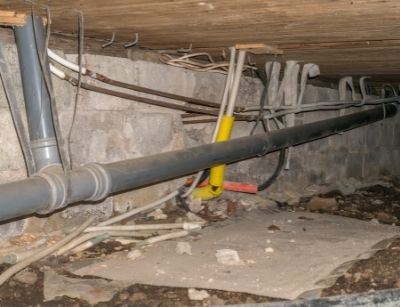
look for leaksWhen it comes to preventing plumbing problems, there’s no better way to start than by checking for leaks and cracked pipes. Water leaks can cost the average homeowner thousands of gallons of water every year – not to mention cause extensive water damage, compromise the home’s structural integrity, facilitate mold growth, and even cause the foundation to shift or crack due to soil erosion. For these reasons, finding and fixing leaks as early as possible is critical.
Some leaks are more accessible to spot than others, of course. For instance, a leaky drain seal or cracked drainage pipe from a second-floor toilet, sink, or shower will typically cause stains or warping on the wall or ceiling directly below the fixture. But if the institution is on the ground floor, the only giveaway may be the smell of mildew or mold (unless one can easily view the underside of the drain via a crawlspace or access panel).

Homeowners can easily check under sinks for water spots, moisture, or mold growth. But detection isn’t quite as simple for a hidden pipe leak in a wall or underground. For hidden leaks, the best indicators include:

  • Soggy spots in the yard
  • The sound of running water
  • Higher-than-normal water bills
  • Weak water pressure

Apart from keeping a vigilant eye, homeowners can also have a professional plumber perform a thorough plumbing inspection every year or so to be on the safe side.

Be Careful Not To Put Grease Down Drains

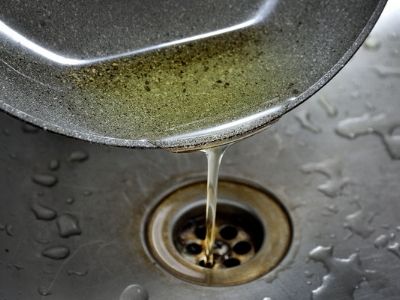
no grease down the drainThe next step for preventing a sudden plumbing emergency – a pipe clog – is to avoid disposing of grease or oil in the sink (or any other drain, for that matter). Oil and grease are sticky, heavy, and stubborn, so when they go down the drain, they hang out in pipes and contribute to the buildup of food waste, hair, and other debris. Some kinds of grease solidify when they cool, forming a clog all on their own.

But even if they get washed down past the home’s sewer line, they can still form blockages in the city sewer system and make things harder for wastewater treatment facilities. For these reasons, keeping as much grease and oil as possible out of the home’s drains is best. Homeowners can let the used grease cool to room temperature and place it in a sealable disposable container. From there, it can either be taken to a local fire station or recycling center that accepts cooking oil or bagged and taken out with the rest of the non-compostable garbage.

Keep the Drains Clean

No matter how careful homeowners are about what they put down their drains, some amount of debris and gunk will inevitably build up inside drain pipes. To help keep the chances of a clog to a minimum, homeowners can simply clean or flush drains regularly using various methods.

Many people turn to store-bought chemical drain cleaners as both a remedy and a preventative measure for clogs, but these are less than ideal – especially when it comes to prevention. These products use harsh caustic chemicals to dissolve obstructions, but they can also eat away at the plumbing itself, release toxic fumes, and kill necessary bacteria inside septic systems. If possible, these should be used very sparingly or – even better – avoided altogether.

Instead, homeowners can pour gently boiling water down their drains every 1-2 weeks to help dissolve grime and kill bacteria. Every 1-3 months, homeowners can pour ½ cup of baking soda and ½ cup of white vinegar down their drains, let it sit for 15 minutes, then pour boiling water behind it. This will help break up obstructions and kill bacteria. One can use these two methods for sinks, tubs, and showers.

On top of this DIY maintenance routine, homeowners would do well to schedule a professional drain cleaning service every 1-3 years to thoroughly clean out their home’s drainage system, as far down as the home’s sewer line.

About Daniels Plumbing, Heating and Air Conditioning, LLC

Daniels Plumbing, Heating, and Air Conditioning have been Albuquerque’s preferred home service company for over a decade. They offer financing, competitive up-front pricing, and 24/7 emergency service. They guarantee 100% satisfaction on every job, so homeowners know they’re in good hands when they call Daniels for plumbing services in Albuquerque, NM!

Don’t Fall Victim to Outdoor Plumbing Clogs

How to Keep a Lookout for Clogged Pipes Outside the Home

Winter tends to be hard on plumbing around the home. Cold temperatures can freeze pipes, and the long periods of idleness in outdoor plumbing can cause problems outside the home. As spring gently replaces winter, people are more inclined to start getting back outside and enjoying their yards, but when they do, they may find some serious problems in the outdoor plumbing. 

Clogged pipes in outdoor plumbing are a common gripe this time of year. Often, homeowners have a hard time knowing what to do. This article is a quick guide to recognizing outdoor pipe clogs and how to clear a pipe clog from outdoor plumbing. 

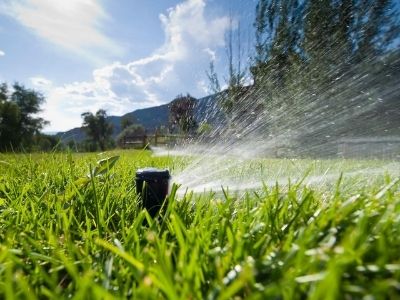
Outdoor Plumbing Fixtures in Every Homesprinklers

The points of use for the plumbing inside of a home are easy to recognize. Kitchen sinks and toilets get used every day. It can be easy to forget about the essential plumbing that serves the area outside the house. 

Some of the common points of use outside the house are:

  • Hose bibs
  • Irrigation systems
  • Sprinklers
  • Pool pumps
  • Pool drains
  • Landscape drains

What Causes Outdoor Pipe Clogs?

The environment that outdoor plumbing finds itself in is harsher than the plumbing inside the home. When plumbing is installed during house construction, every precaution is taken. However, by its nature, outdoor plumbing is more subject to the whims of its environment. 

Temperature swings, UV light, and corrosion are all things outdoor plumbing has to deal with. As a result, outdoor plumbing can develop more problems than indoor plumbing. In freshwater plumbing outdoors, the main cause of clogged pipes is corrosion or scale building up as water sits idle in the pipes for long periods. This is the main stressor on pool plumbing as well. 

For outdoor drains, the plumbing must handle a wider variety of things than it is necessary for indoor plumbing to handle. Leaves and topsoil find their way into irrigation lines and landscape drains, where they can inhibit drainage. Even with precautions, clogged pipes are common in outdoor plumbing. 

clogsHow are Clogged Pipes Dealt With? 

Whether the clogged pipes are on the drain side of the freshwater side of the plumbing, a homeowner will likely need professional help to deal with them. In the case of clogs on the freshwater side, these problems will often only be fixed by changing outdoor fixtures, replacing sections of pipes, or flushing water lines. 

Dealing with clogged pipes in the drain system isn’t as scary as it sounds. Professional clogged drain removal services have special tools to quickly restore service to clogged drains. Hydro-jetting is the most popular method for clearing clogs in outdoor plumbing. Hydro-jetting employs a powerful water jet to break up and flush away tough clogs, leaving the inside of pipes as clean as their first day of installation. 

About Daniels Plumbing, Heating and Air Conditioning, LLC

Daniels Plumbing, Heating and Air Conditioning, LLC is a team of qualified local plumbers looking to fix all types of residential and commercial plumbing problems. They offer emergency service, and they guarantee their work. Call today for a quick plumbing service in Albuquerque, NM. 

How to Keep a Dripping Faucet From Ruining the Mood

Is a Leaky Faucet Drip Killing the Romance?

No amount of music or soothing tones can cover up that incessant dripping that just won’t quit! Don’t let the drip interfere with the romantic mood, get it fixed ASAP and get back to what really matters.

Why Immediate Sink Repair Is Necessarywater bill

Many homeowners feel that a few drops here and there of water wasted isn’t a big deal, but up to 10,000 gallons annually is wasted per leaking faucet, and this is enough to fill up an entire swimming pool! Paying that elevated water bill wouldn’t be fun for anyone!

Standing or constantly dripping water can cause rot, mold, or structural damage. Mold can enter the air and cause respiratory problems or damage the integrity of drywall, molding, floors, electric service, etc. Rot is caused when wood is exposed to prolonged water drips and can become a safety issue if not addressed quickly. Structural damage occurs when water is allowed to drip for too long and deteriorates the structure’s safety. 

Why Is the Faucet Leaking?

The most common reasons for leaking faucets are:

  • The washer is not installed properly
  • Part of the faucet is loose
  • Wear and tear from years of prolonged use
  • Faucet is broken or in need of replacement
  • Valve seat is corroded

A visual inspection of the faucet should indicate what is causing the leak.

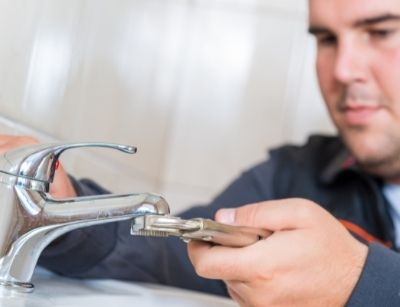
How To Fix the Leaky Faucetfaucet

Step 1: Turn off the water to the sink. Most sinks have a shut-off valve underneath in the cabinet but if one is not present, then turning the water off at the next point is key. In some houses, the water to the entire house needs to be shut off to fix a sink.

Step 2: Find the set screw that holds the faucet handle and unscrew it. Some faucets have it located under a decorative cap, while others require removing the handle by unscrewing it. 

Step 3: Unseat the cartridge and pull it straight out gently to avoid hitting it on anything that needs to remain in place. 

Step 4: Remove the old O-rings or gaskets and any adhesive or lubricant applied previously. Coat the new O-rings or gaskets with non-toxic plumbing grease before installing.

Step 5: Install the new cartridge or stem. There are many different faucets, so bring the old pieces to the hardware store to make sure the right parts are purchased for replacement. 

The process of fixing a leaking faucet depends on what type of faucet it is and where it is located. Kitchen faucets are generally much different from bathroom sink faucets.  

About Daniels Plumbing, Heating, and Air Conditioning, LLC

Daniels Plumbing, Heating, and Air Conditioning, LLC serves customers in the Albuquerque and Santa Fe areas, with safety and comfort being the #1 concern! Trusted technicians provide a 100% satisfaction guarantee and expert workmanship with 24/7 plumbing service available.

Are there Ghosts in the Walls, or Is It Just the Pipes?

Bumps in the Night: Pipes not Poltergeists

It’s getting to the time of year when the darkness lasts longer than the daylight—the time when the wind stirs up the desert dust and sends tumbleweeds across the ground. The desert can be a spooky placeon a Halloween night, with the wind whistling down the dunes and the ancient legends haunt the shadows between the cacti. When spooky sounds move into the walls of a home, the homeowner may need to be less concerned with calling the ghost hunters and more concerned with calling the plumber about their noisy pipes. 

Ghostly Song: Humming Soundshaunting

When the pipes start making a humming noise, there may be a problem with a home’s water pressure. The vibration of the pipes that creates the humming sound comes from water pressure that is too high. While it may seem odd to be concerned about high water pressure, there are several negative outcomes of not taking care of this issue.
  • Pipe damage/breakage
  • Mounting bolts or fasteners loosening
  • Wall damage
  • Water damage resulting from broken pipes

If a house has a well water source, this can be a problem as well pumps are more likely to produce higher pressure for a single home than a city water source. If a homeowner has access to their well pump and can adjust their pressure settings, they should do that. If they cannot, it is time to call on the plumbing professionals.

Wailing Wind or Whistling Pipespipe

Sometimes starting the shower or sink is a noisy affair. Do the pipes seem to protest with a whine or whistle forlornly as water exits the faucet? This is typically caused by a worn-out washer or other small parts that assist with water flow and cut-off. This often happens around larger appliances that are connected to the plumbing system.

If the whistling grows too loud and annoying, it is likely a sign that some small part needs to be replaced. Calling a professional plumber for water line services will solve the problem quickly and easily as they will find the problem component and replace it. No whistling, and no leaks. 

Don’t Be Startled by Water Hammer

Water hammer may sound like some wizard’s spell attack, but it actually refers to water movement in the pipes when a valve is quickly turned to the closed position. The momentum of water rushing out of the pipe is suddenly stopped, which causes the water to bounce backward in the pipe causing a loud banging sound or several smaller bumps. 

Because the water hits the valve and rebounds with a high force, it can cause concussive damage to pipes and joints.

  • Valve and Pump Damage: The water knocking around the pipes can cause pressure damage to the valves in question and any pumps that push the water from the opposite direction.
  • Weakened Joints: Pressure will loosen fittings and pipe joinings which can lead to other problems.
  • Leaks: If pipes or joints are damaged enough, then water may begin to leak, which can lead to mold, mildew, and other property damage.

Suppose this is a consistent problem in a home. In that case, the inhabitants may need to seek the assistance of a plumbing professional for repiping or fitting the pipes with a water hammer arrestor.

About Daniels Plumbing, Heating and Air Conditioning, LLC 

Daniels Plumbing, Heating and Air Conditioning, LLC is the company of undisputed top experts in Albuquerque, NM. They provide 24 hour emergency service and free estimates; their goal is to fix it the first time with no hassle to their customers. Call them today for pipe services.

Back to School: Water Heaters 101

Learn the Essentials of Water Heaters

When the new school year comes around, it’s time for most children to start learning again. This is an opportunity for many adults to brush up on educational basics in their own home. And learning about how water heaters work is a great place to start! Many homeowners might think that caring for their water heater isn’t important since they can just call a professional in case of trouble. Still, before hiring anyone or waiting until something goes wrong, it’d be good to read these water heater essentials. 

Know the Water Heater Typewater heater

Water heaters are essential for modern living. But there are many types of water heaters available. The most common kinds are called conventional or storage tank water heaters. These bulky cylindrical metal tanks are usually found in garages or basements. Conventional water heaters can be fueled by gas or electricity, depending on the setup at the home. They work to continually heat water so that it’s always ready whenever someone needs hot water at plumbing fixtures like showers and sinks.
Tankless water heaters are the next most common type. These appliances are efficient in that they don’t have to heat water continually in a storage tank. Instead, they heat water very quickly when it’s needed at a plumbing fixture. Tankless water heaters also use gas or electricity, with gas being slightly more efficient. Of course, there are also solar-powered water heaters and heat pump water heaters, although these aren’t as common as the other ones. 

Proper Ways to Maintain a Water heater

No matter what kind of water heater the home uses, it’s important to perform basic maintenance on the appliance. Once a year, homeowners should do three things for conventional water heaters. The first is draining and flushing the tank when sediment buildup has occurred. The second is inspecting and testing the temperature relief valve. The third maintenance task is inspecting the anode rod to see if it needs to be replaced. 

Those with tankless water heaters can also benefit from annual maintenance. One should flush these systems once a year. The water and air filters should be cleaned and checked, as well. Most of these maintenance tasks can be done by the homeowners themselves, provided they have the manual for the water heater to assist them. Anything more involved should be done by a professional plumber. 

water heater

Signs a Water Heater Needs Repair

While homeowners can perform most maintenance tasks on their water heater, repairs are a different story. Some common telltale signs that something is wrong with the appliance can inform homeowners something is wrong with their water heater. One common sign is fluctuations in water temperature. Another is the low water pressure in hot water but not cold. And any strange sounds, like squealing, rumbling, or banging coming from the water heater indicate something’s wrong. 

When the hot water becomes discolored, smells strange, or is hotter than usual, it may be time to call a plumbing repair company. Luckily, when water heaters are properly maintained, they don’t often break down unexpectedly. Small issues may occur, but these can be easily and often cheaply fixed by a plumber. 

About Daniels Plumbing, Heating and Air Conditioning, LLC

Daniels Plumbing, Heating and Air Conditioning, LLC has been proud to serve Albuquerque, NM, since 2010. Their techs are always friendly, knowledgeable, and punctual. They offer excellent workmanship backed by a 100% satisfaction guarantee. Contact them to learn more about water heater service