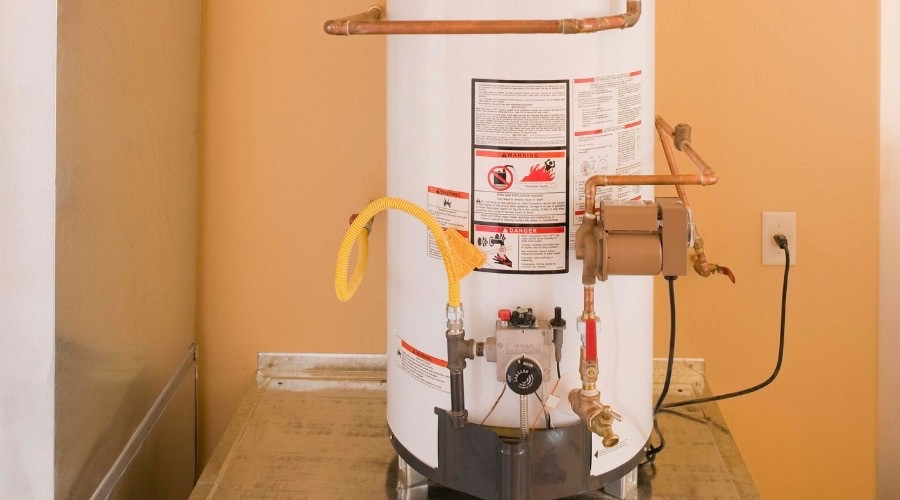
Is Water Heater Repair or Replacement Needed?

How to Tell When a Water Heater Needs to Be Repaired or Replaced

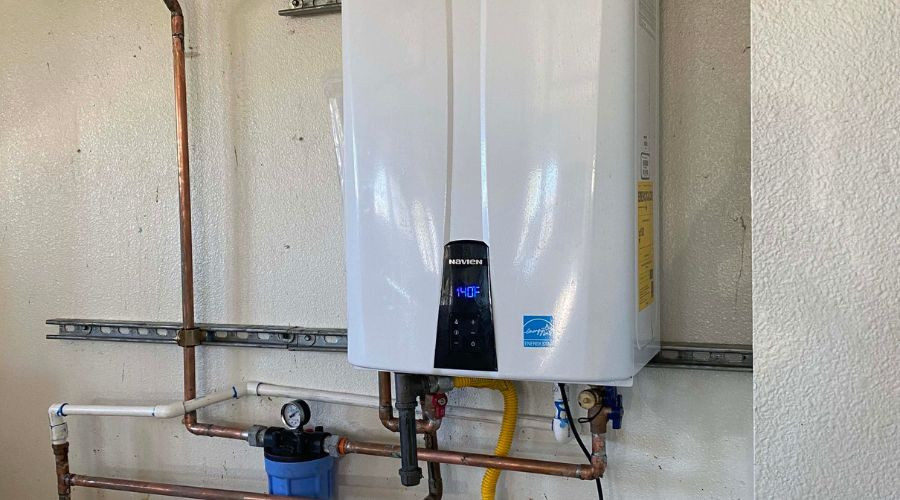
Hot water supports daily routines from morning showers to evening cleanup, yet many households overlook the equipment responsible for that steady supply. Over time, wear and tear affect internal components, heating elements, and tank integrity of the water heaters, leading to performance issues that cannot be ignored. Recognizing the difference between repairable concerns and signs of full system failure helps protect plumbing systems, control energy costs, and maintain dependable hot water.

Signs Water Heater Repair Is Needed

shower A sudden lack of hot water or insufficient hot water often signals a malfunctioning heating element or thermostat. Inconsistent temperatures may indicate sediment buildup in the tank that interferes with heat transfer. Addressing these issues through professional water heater repair can restore proper operation without requiring full replacement.

Strange noises, such as popping or rumbling, typically indicate hardened sediment at the bottom of the tank. As sediment traps heat, the system works harder, and utility bills begin to rise. Increased energy consumption combined with unusual sounds suggests that maintenance or targeted repairs are necessary.

Additional warning signs include a pilot light that frequently goes out, discolored hot water, unusual odors, or minor leaks around fittings. These symptoms may stem from faulty valves, loose connections, or internal component wear. Prompt repair services prevent further damage and preserve the lifespan of the existing unit.

Signs Water Heater Replacement Is Needed Instead of Repair
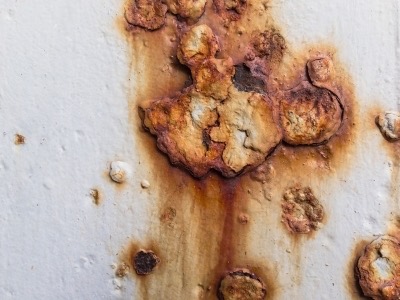
rustAge plays a significant role in determining whether replacement becomes the wiser investment. A water heater nearing the end of its expected lifespan while experiencing repeated breakdowns often signals declining efficiency and structural fatigue. In such cases, continued repairs may only provide temporary relief.

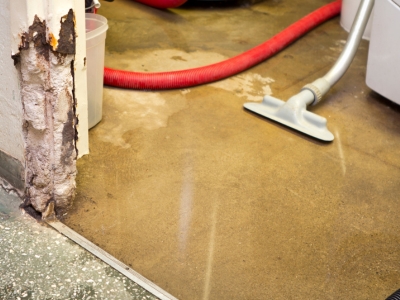
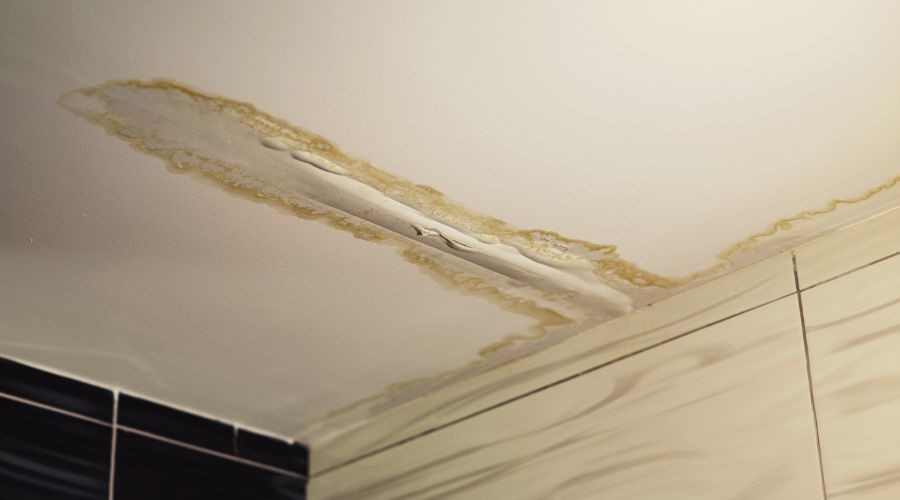
Frequent service calls and recurring part failures gradually increase overall costs. Visible corrosion on the tank exterior or around connections indicates internal deterioration that cannot be reversed. When rust-related damage progresses, the risk of tank rupture rises significantly.

Discolored water with a metallic odor or an unpleasant taste may also indicate advanced internal corrosion rather than simple sediment buildup. Once the tank lining deteriorates, repair options become limited and unreliable. Water heater installation of a modern, energy-efficient unit often delivers greater long-term value and reliability.

Benefits of Timely Repair or Replacement

Timely water heater repair prevents minor component issues from escalating into major system failures. Replacing worn thermostats, heating elements, or valves early reduces the likelihood of emergency plumbing damage. Restored efficiency lowers utility bills and stabilizes hot water performance.

When replacement becomes necessary, installing a new water heater introduces improved energy efficiency and advanced technology. Modern systems provide faster hot water recovery and more consistent temperature control. Reduced repair frequency contributes to predictable maintenance costs and improved household convenience.

Reliable hot water strengthens overall plumbing performance and daily comfort. Whether through precise repair or full system upgrade, professional service ensures safe installation, proper sizing, and compliance with local codes. Expert water heater installation and repair services deliver dependable performance and long-term peace of mind.

About Daniels Plumbing, Heating and Air Conditioning, LLC

Daniels Plumbing, Heating and Air Conditioning, LLC is a full-service plumbing and HVAC company serving the Albuquerque, NM, community. They offer upfront pricing, friendly local experts, and guarantee peace of mind. Call them for water heater installation and repair services in Albuquerque, NM.

Distribution Links +

Shielding the Home From Flooding and Water Damage With Sump Pump Installation

What Is a Sump Pump?

Flooding can happen quickly, leaving behind ruined flooring, damaged furniture, and ongoing moisture problems. Installing a reliable sump pump system offers an effective first line of defense against excess water. This overview explains the key benefits of sump pumps, outlines the main types of primary units available, and highlights why to consider a secondary or backup pump. Professional sump pump installation ensures correct sizing, secure discharge piping, and dependable operation when water levels rise.

Benefits of Sump Pumps

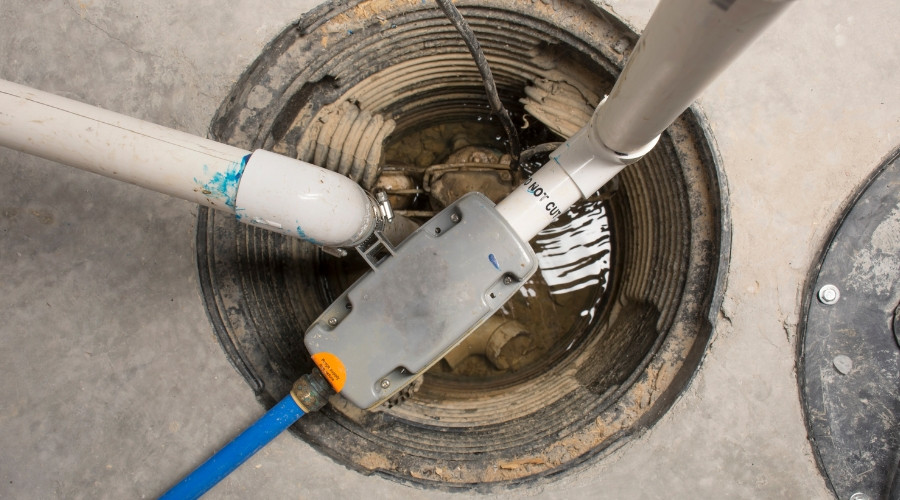
water A sump pump collects unwanted water in a recessed pit known as a sump pump basin. Groundwater, seepage, or minor leaks flow into the basin, and once the level rises high enough, a sump pump float switch activates the motor. The pump then discharges water through a drain line to the exterior, helping keep the lowest level of the structure dry.

Flood prevention is the most obvious advantage, but not the only one. By channeling water away from the foundation, a sump pump lowers hydrostatic pressure on walls and footings, supporting long‑term structural stability. Finished basements, storage boxes, appliances, and sentimental items gain protection from water damage.

Reducing standing water also makes conditions less welcoming for mold and mildew. Fewer damp surfaces mean less musty odor, fewer damaged materials, and a healthier indoor environment overall.

Types of Primary Sump Pumps

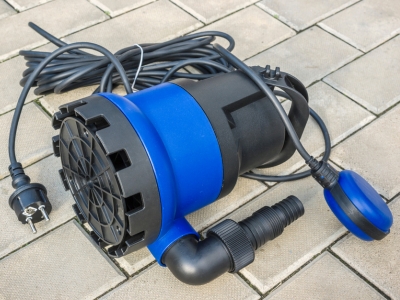
sump pumpMost homes rely on either a submersible sump pump or a pedestal sump pump as the main sump pump unit. A submersible sump pump operates entirely underwater inside the basin. This style is typically more powerful, capable of moving larger volumes of water quickly, and it runs more quietly because the motor sits below the surface. However, submersible models usually cost more upfront and can be slightly harder to access for repairs.

A pedestal sump pump keeps the motor above the pit, with only the intake pipe extending into the water. This design often leads to a longer service life, easier maintenance, and a lower purchase price. The tradeoffs include less pumping power and more operational noise compared with submersible options. Choosing the best style depends on expected water volume, budget, and maintenance preferences.

Secondary or Backup Sump Pumps

Even a well‑maintained primary pump can fail or become overwhelmed during severe storms. That is where a backup sump pump system becomes important. A secondary pump may share the same basin but turn on only when needed, offering added capacity when the main unit cannot keep up, fails, or loses power during an outage.

In many cases, adding a sump pump battery backup is wise. A battery‑powered backup sump pump continues operating during power outages, when heavy rain is often at its worst. With a thoughtful sump pump backup strategy in place, homes stand a much better chance of staying dry during extreme weather or unexpected equipment failures.

About Daniels Plumbing, Heating and Air Conditioning, LLC

The experts at Daniels Plumbing, Heating and Air Conditioning, LLC, provide a comprehensive range of HVAC services in Albuquerque backed by a peace-of-mind guarantee. Committed to doing things right the first time, their trusted technicians offer expert workmanship, emergency services, and a 100% customer satisfaction guarantee. Call them today for sump pump installation services in Albuquerque, NM.

A Homeowner’s Guide to Avoiding Clogged Toilets

Ways to Help Prevent the Toilet From Clogging

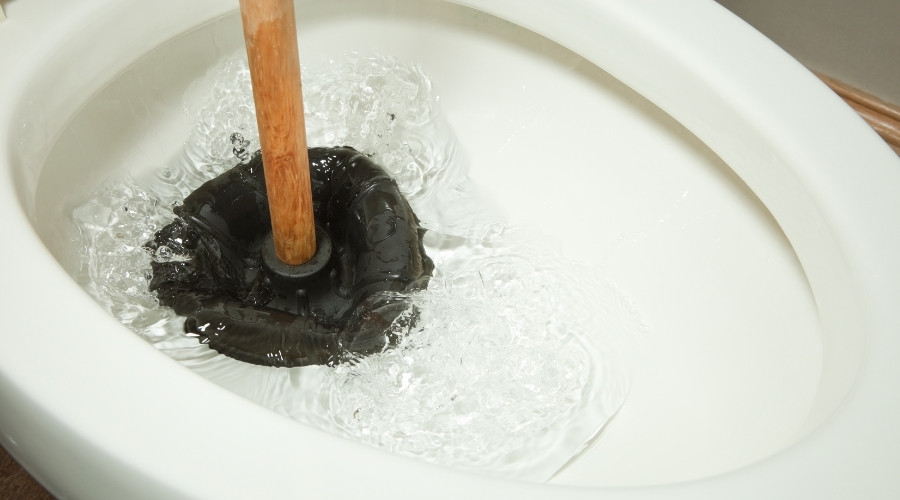
Few situations derail a day faster than a clogged toilet and rising water in the bowl. The good news: consistent habits and simple precautions dramatically lower the odds of a toilet clog. This overview highlights what should and should not be flushed, practical ways to moderate toilet paper use, and how issues in the main sewer line can trigger recurring blockages. It also notes when drain cleaning becomes the right next step for restoring flow and preventing future problems.

Be Careful About What Gets Flushed

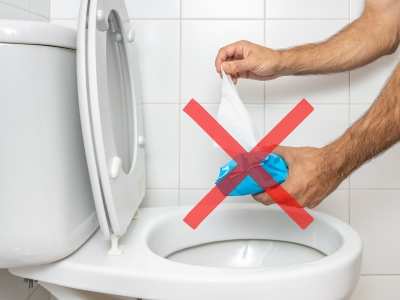
toilet A toilet is not designed to handle general trash, and keeping non‑flushable items out of the bowl is the most effective way to prevent a clogged toilet. Only human waste and toilet paper belong in the drain path. Many common bathroom products appear harmless, but do not break down quickly and can lodge in bends, trapways, and older fittings.

Paper towels and facial tissues are engineered to stay strong when wet and therefore do not dissolve like toilet paper. Items such as wipes (including those labeled “flushable”), cotton swabs, dental floss, and feminine hygiene products tend to bind together and create dense plugs. Once these materials catch on rough surfaces or joints, additional debris collects and a stubborn toilet clog can form. Over time, this buildup can move beyond the fixture and contribute to obstructions deeper in sewer pipes.

Keeping a small waste bin near the toilet helps direct these items to proper disposal. In homes with frequent guests or children, a simple reminder about what belongs in the trash reduces accidental flushing of problem materials. If blockages become repetitive despite good habits, inspection and drain cleaning can determine whether scale, roots, or other obstructions in the downstream sewer line are adding to the issue.

Use Less Toilet Paper

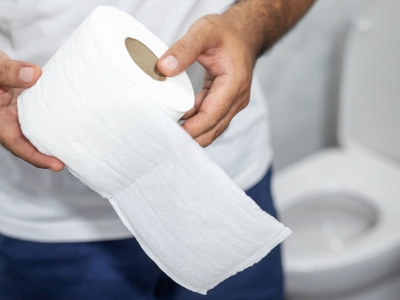
toilet paper Toilet paper is necessary, but excess use often tips a system into trouble. Large wads absorb water, expand, and can lodge in the trap or the first several feet of piping. Folding paper into a flat pad rather than wadding reduces bulk and allows smoother travel through the drain path. When more paper is required, breaking the volume into smaller portions with an extra flush can help prevent an immediate clog.

Product selection matters as well. Ultra‑thick or highly quilted toilet paper typically breaks down more slowly than quick‑dissolving options, which can increase the likelihood of a toilet clog in low‑flow fixtures or older piping. Moderating usage and choosing paper designed for rapid breakdown both support reliable performance. Where feasible, a waste bin can capture excess paper or non‑sewage items that would otherwise strain the drain.

If slow clears, recurring partial blockages, or frequent plunging become a pattern, those symptoms may indicate a restriction beyond the toilet. Buildup in the line, minor intrusions, or early signs of a clogged sewer line can cause even modest amounts of paper to hang up. In such cases, professional drain cleaning can restore interior pipe conditions and reduce the odds of repeat incidents.

Prevent Sewer Line Clogs

Sometimes the fixture is not the source of the trouble—a sewer line clog can cause backups across multiple drains regardless of careful flushing habits. When the main path is obstructed, wastewater follows the path of least resistance and may return through lower‑level tubs, showers, or floor drains. This type of whole‑home symptom often points to a clogged sewer line rather than an isolated fixture issue.

Common contributors include tree roots seeking moisture, accumulated grease and wipes, foreign objects, and aging sewer pipes with rough or offset joints that catch solids. Preventive measures focus on smart use and periodic evaluation: keeping grease out of sinks, disposing of wipes and hygiene products in the trash, and being cautious with landscaping near buried lines all reduce risk. Where mature trees or older materials are present, an occasional assessment of the sewer line can spot early warning signs of a developing sewer line clog before a full backup occurs.

When multiple fixtures back up or gurgle, professional diagnostics are recommended. A technician can confirm the location and cause of the obstruction and choose the appropriate method—ranging from augering to hydro jetting—to clear the line effectively. If video inspection reveals structural concerns, targeted sewer line repair or partial replacement may be advised to prevent recurring problems. Restoring full capacity in the sewer line supports reliable operation of all fixtures and reduces the chance that a single flush will trigger a new toilet clog.

Call Daniels Plumbing, Heating and Air Conditioning, LLC

Daniels Plumbing, Heating and Air Conditioning, LLC is a top-rated plumbing and HVAC company serving Albuquerque and the surrounding areas. They offer upfront pricing, expert workmanship, and a 100% customer satisfaction guarantee. Call them today for sewer line repair and replacement services in Albuquerque, NM.

Distribution Links +

Improving Water Quality: A Guide to Filtration Systems

Why Install a Water Filtration System

A water filtration system can dramatically improve the quality, taste, and safety of water throughout the entire home. In many cases, households are unaware that their water may contain minerals, sediment, or other contaminants that could affect health and reduce water enjoyment. By choosing professional water filtration system installation, homeowners ensure that every faucet delivers cleaner, safer water for daily activities—whether it’s drinking, preparing meals, or bathing—while also preserving the life of plumbing fixtures and providing long-term reassurance.

Benefits of Whole Home Water Filtration Systems

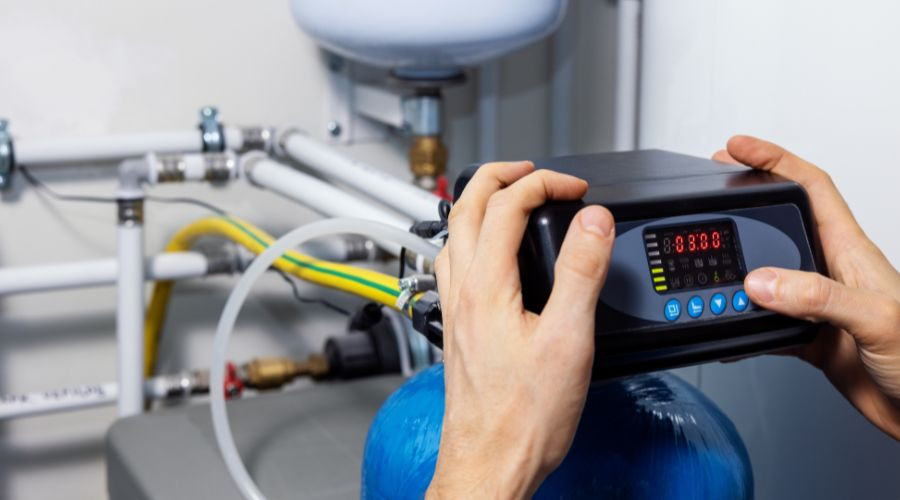
water A whole home water filter delivers far more than just better-tasting water. By effectively removing impurities like chlorine, sediment, and other harmful contaminants, it ensures water is safer and healthier for the entire household. This higher-quality water also improves taste and odor, making it more pleasant for drinking, cooking, and everyday use.
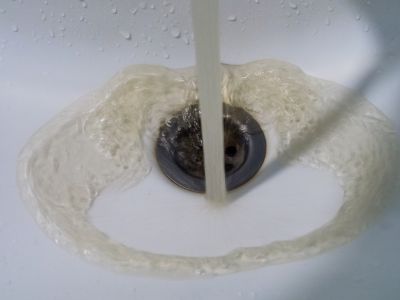
Cleaner water safeguards plumbing fixtures and appliances from scale buildup and corrosion, helping extend their lifespan and minimize repair costs. Additionally, homeowners can save money by cutting down or eliminating bottled water purchases. Some water filtration systems also serve as water softeners, delivering the added benefits of reduced mineral deposits, better soap performance, and softer skin and hair after bathing.

Signs a Home Needs a Water Filtration System

dirty water There are several signs that a home may benefit from a water filtration system installation. Tap water with an unusual taste or strong odor can indicate contaminants or high levels of chlorine, while cloudy or discolored water may be caused by rust, sediment, or other particles.

Concerns about possible pollutants, including lead, bacteria, or pesticides, are also valid reasons to pursue a water filter installation. Taking action at the first indication of these problems ensures the household enjoys consistently safe, clean, and high-quality water.

How To Choose a Whole House Water Filter

Choosing the right whole house water filter depends on knowing the contaminants in the water and whether the home suffers from hard water. A professional water quality test is an important first step in finding the most suitable system.

For example, if dissolved solids or certain chemicals are present, a reverse osmosis system may be the most effective choice. This whole home water filter employs advanced technology to remove a broad range of impurities, resulting in clean, fresh-tasting water throughout the household.

By clearly understanding the water concerns in a home, homeowners can select a system that ensures safe, high-quality water for years of everyday use.

About Daniels Plumbing, Heating and Air Conditioning, LLC

Daniels Plumbing, Heating and Air Conditioning, LLC delivers honest service, upfront pricing, and a Peace of Mind Guarantee—no scare tactics, no hidden fees. Serving Albuquerque and surrounding areas, we offer expert plumbing, heating, and cooling solutions with free estimates, 24/7 emergency service, and a two-year labor warranty. Call them today for expert water filtration system services in Albuquerque, NM.

Distribution Links +

Expert Solutions for Drain Cleaning and Maintenance

Drain Cleaning and Signs It’s Needed Explained

Professional drain cleaning helps prevent tough clogs and expensive plumbing problems. When drains slow down or blockages happen often, it’s time for expert service. This guide covers proven drain cleaning methods and simple upkeep tips to restore flow and protect the plumbing system. Discover long-term solutions for better drainage performance.

Signs Drain Cleaning Is Needed

Professional drain cleaning is often needed when a plumbing system shows signs of blockage. One of the first signs is slow-draining water, which typically indicates that debris is accumulating inside the pipes. Water that drains slowly from sinks, tubs, or showers often points to this issue.

Bad smells coming from drains may indicate that organic waste is clogged in the sewer line. These odors can get stronger in warm or humid weather. Gurgling sounds from drains or toilets may be caused by trapped air due to partial clogs.

More serious problems include backups in multiple fixtures simultaneously. This often means the main sewer line is blocked. The American Water Works Association reports that approximately 36% of homes experience repeat clogs each year, often due to inadequate maintenance. Clogs that keep returning to the same spot may signal a deeper issue that basic tools can’t resolve. When toilets, sinks, or tubs all back up at once, it typically indicates a larger issue in the main drainage system.

Common Causes of Drain and Sewer Line Clogs

sinkKitchen drains often clog due to the accumulation of grease, oil, and food scraps. As grease cools, it hardens on pipe walls and traps more debris. Over time, this buildup blocks water flow and can lead to a full clog.
Bathroom drains have different issues. Hair and soap mix together, forming thick clogs that worsen as more material accumulates. These blockages are hard to remove with basic tools.

Toilets commonly clog when non-flushable items are flushed. Products like wet wipes, feminine hygiene items, and cotton swabs don’t break down easily and can get stuck in the pipes. These blockages form quickly and often result in recurring problems. Around 75% of toilet clogs are caused by flushing these items.

Sewer lines underground are often affected by tree roots. Roots grow into small cracks in older pipes, searching for moisture. Once inside, they spread and trap debris, leading to major clogs. Removing them typically requires specialized tools, such as hydrojetting or mechanical cutting, to thoroughly clear the pipe.

How Do Professionals Perform Drain Cleaning?

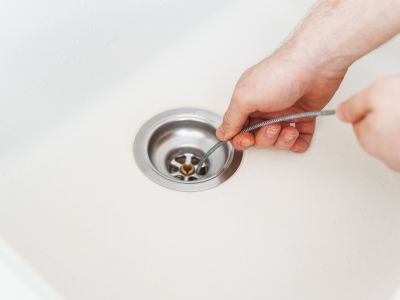
snake drain Professional drain cleaning utilizes advanced tools that most homeowners don’t have access to. Licensed plumbers rely on powerful equipment to safely and effectively remove tough clogs without harming the pipes.

The two main methods used are drain snaking and hydro jetting. A drain snake, also known as a plumber’s auger, is a flexible metal cable that breaks up blockages inside pipes. Small, handheld snakes are used for simple clogs, while larger, motorized ones reach deeper into the plumbing system.

For more serious or recurring clogs, hydro jetting is a more effective solution. This method utilizes high-pressure water, ranging from 1,500 to 4,000 PSI, to wash away grease, minerals, and other buildup from the interior of the pipes. While snaking just opens a path through the clog, hydro jetting fully cleans the pipe walls. It helps prevent future problems and works well for both homes and businesses that frequently experience drainage issues.

About Daniels Plumbing, Heating and Air Conditioning, LLC

Daniels Plumbing, Heating, and Air Conditioning, LLC has been serving the Albuquerque community with trusted plumbing, heating, and cooling services. They offer honest recommendations, upfront pricing, 24/7 emergency service, and a peace of mind guarantee. Contact them for drain cleaning services in Albuquerque, NM.

Benefits of Installing Tankless Water Heaters

Why Go Tankless?

Installing a tankless water heater offers a practical solution for reducing energy bills and replacing outdated systems. This upgrade brings cost savings, space efficiency, and an endless supply of hot water. With its energy-smart design, a tankless unit delivers immediate comfort and long-term financial benefits. Explore the full potential of this transformative home improvement and unlock a new standard in water heating.

Energy Efficiency

energy efficiencyTankless water heaters offer outstanding energy efficiency compared to traditional storage tank models, with potential annual savings on water heating costs ranging from 24% to 34%. Unlike storage systems that continuously heat a large volume of water, tankless models operate only when hot water is required. This on-demand functionality eliminates standby energy loss.

Advanced tankless systems achieve energy efficiency ratings between 0.82 and 0.98, whereas standard tank heaters often peak at about 0.60, based on data from the Department of Energy. These ratings translate into noticeable reductions in utility expenses.

Over time, the financial advantages become increasingly significant. A household using approximately 41 gallons of hot water per day may save around $100 annually with a tankless unit, while homes with greater hot water needs experience even larger savings. Eligibility for energy rebates and government incentives enhances the overall value. Tankless systems also retain efficiency across a lifespan exceeding 20 years, far outlasting many traditional options.

Endless Hot Water Supply and Space Savings

endless hot water supply Tankless systems deliver an uninterrupted flow of hot water by heating water as it passes through the unit, avoiding the limitations of preheated tank storage. Activation occurs only when a hot water fixture is turned on, ensuring immediate and continuous heating. The result: consistent water temperature with no need to wait for recovery cycles.

This technology supports simultaneous hot water usage, such as running a shower and a dishwasher, without diminishing performance. Many tankless models produce between 2-5 gallons per minute, accommodating high-demand situations with ease. Ideal for larger households or residences with soaking tubs, these systems maintain flow without compromise.

Another major benefit lies in the compact design. Unlike bulky tank units requiring significant floor space, tankless models are typically wall-mounted and measure about 28 inches tall by 20 inches wide. This minimal footprint frees up square footage in utility areas, basements, or garages. Vertical mounting allows for storage solutions in areas previously occupied by a tank.

According to the National Association of Home Builders, storage ranks among the most sought-after home features. Tankless systems create installation flexibility as well, with options to mount in closets, crawl spaces, or even exterior walls in suitable climates. Increased freedom in placement enhances overall space efficiency and supports creative layout planning.

Longer Life Expectancy

Tankless water heaters boast a significantly longer service life, typically exceeding 20 years with routine care, compared to 10-15 years for conventional models. This extended durability offers a key long-term advantage, helping to avoid recurring replacement costs. Longevity results from simplified mechanical design and reduced exposure to corrosion.

The on-demand nature of tankless units minimizes mechanical stress by avoiding constant cycling. Without a tank to corrode, these systems face fewer structural failures over time. Reduced wear extends operational reliability and delays the need for replacement.

Financially, this durability translates into substantial savings. Though initial installation costs may be higher, long-term ownership proves more economical. Data from Consumer Reports indicates potential savings of $1,800–$2,500 in replacement costs over two decades. Many manufacturers also support their products with warranties of up to 15 years on heat exchangers, reinforcing confidence in long-term performance.

Call Daniels Plumbing, Heating and Air Conditioning, LLC

Daniels Plumbing, Heating and Air Conditioning, LLC is a trusted plumbing and HVAC company serving Albuquerque, NM, and surrounding areas. They offer expert workmanship, 24/7 emergency service, and a satisfaction guarantee. Call them for tankless water heater installation and repair services in Albuquerque, NM.

Techniques for Identifying Water Leaks

Tips to Help Find and Fix Water Leaks

Water leaks may seem like a minor inconvenience, but they can quickly escalate into costly issues that compromise a home’s structural integrity and financial health. Whether it’s a small drip under the sink or a hidden pipe problem behind the walls, undetected leaks can waste thousands of gallons of water each year, causing significant water damage such as mold growth, rotting wood, and inflated utility bills. 

On average, households lose nearly 10,000 gallons of water annually due to leaks—enough to wash 270 loads of laundry. Recognizing the early warning signs of water leaks helps protect a home from extensive damage, reduces repair costs, and supports water conservation efforts. This guide will explore common leak indicators and offer practical tips for identifying leaks effectively.

High Water Bills

bills An unexpectedly high water bill is often one of the first signs of a hidden water leak in a home. A sudden spike in the water bill, without any significant change in household usage, should prompt an immediate investigation. Even a small leak, such as a dripping faucet or a running toilet, can waste hundreds of gallons of water each month, leading to noticeable increases in utility costs.
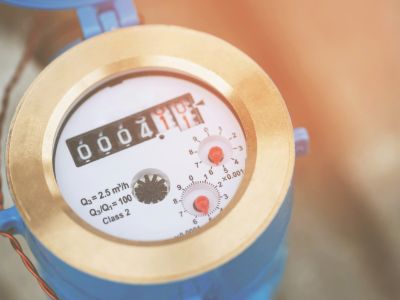
Ignoring these billing anomalies can cause more than financial strain; it can result in severe structural damage and expensive repairs. Prolonged leaks can damage building materials, encourage mold growth, and jeopardize a home’s foundation over time. Professional plumbers advise inspecting the plumbing system whenever unexplained increases in water consumption occur. Promptly addressing leaks can save significant amounts in water bills and repair costs while also conserving water and preserving the property’s integrity.

Other Signs of a Leak

Beyond unexpected increases in the water bill, several telltale signs can indicate the presence of a water leak in a home. Visual clues include water stains on walls, ceilings, or floors, peeling paint or wallpaper, and the appearance of mold or mildew in unexpected places. Warped or buckling flooring, particularly in bathrooms and kitchens, or the sound of running water when no fixtures are in use, can also be signs of a leak.

Environmental changes can often indicate hidden leaks. Unexplained dampness, musty odors, and warm spots on the floor, particularly with slab leaks, should be taken seriously. Outside, unusually lush grass, sunken yard spots, or persistent puddles during dry weather may also signal a problem. When these symptoms appear together, investigating quickly is important, as they may point to significant plumbing issues requiring expert attention.

Use the Water Meter

water meter Using the water meter is one of the most reliable methods to detect potential leaks in a home’s plumbing system. To conduct this test, first locate the water meter (typically near the street or property line) and record the current reading. Then, ensure that no water is being used in or around the home for at least two hours—this means no running faucets, dishwashers, washing machines, or outdoor irrigation systems. After the waiting period, check the meter reading again. If the numbers have changed despite no water usage, a leak is likely present somewhere in the system.

For more precise detection, many modern water meters have a small triangle or diamond-shaped flow indicator that rotates when water flows through the meter. This indicator can detect even minor water movement, making it particularly useful for identifying slow leaks. If the indicator is moving while all water sources are shut off, it’s a clear sign of a leak requiring immediate attention. It’s advisable to check both the main meter reading and flow indicator during daylight hours for better visibility and consider taking photos of the readings for comparison.

About Daniels Plumbing, Heating and Air Conditioning, LLC

Daniels Plumbing, Heating, and Air Conditioning, LLC is committed to providing honest, professional plumbing service with no unnecessary upsells. Serving Albuquerque, NM, and surrounding areas, the company offers free estimates on most replacements, a two-year labor warranty, and maintenance programs to ensure systems perform at their best. With reliable technicians and a focus on customer satisfaction, Daniels is the trusted choice for plumbing, heating, and cooling needs in Albuquerque, NM.

How To Deal With Backed Up Sewer Lines

What To Do When the Sewer Line is Clogged 

Backed-up sewer lines can be frustrating and disgusting. Despite a homeowner’s best attempts, a household will likely have to deal with this problem at some point. Knowing the signs and underlying causes can help homeowners effectively deal with the problem and the underlying causes. Some of the signs of a clogged sewer line can be: 

  • Foul-smelling water backing up into bathtubs
  • Slow-flushing toilets
  • Slow draining from tubs and sinks
  • Foul odors leaking out of drains
  • Noisy draining 

If any of these signs are spotted, professional drain cleaning solutions are the best quick fix, as they can offer insights into any underlying problems. 

What Causes Backed-Up Sewer Lines? 

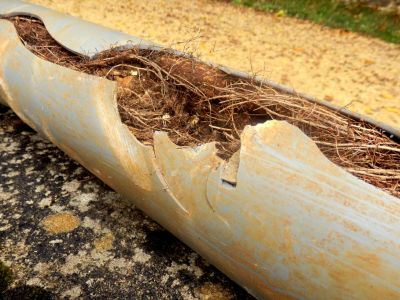
tree roots One of the first questions homeowners should ask when dealing with a clogged sewer line is whether the problem has been occurring more frequently. Sometimes, sewer line clogs occur for no obvious reason, simply because the line is fouled with grime. 
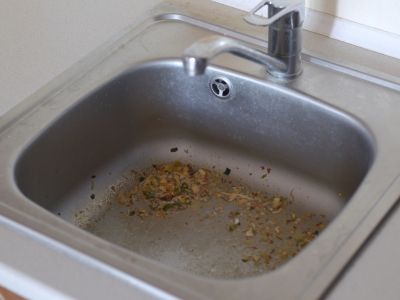
However, sewer line clogs often occur in a cluster. Homeowners find themselves calling a plumber multiple times over the course of a few weeks or months. When this happens, there is likely an underlying cause leading to frequent sewer line backups

Sewer lines are buried under the home and property, exposing them to certain unseen hazards. Some of the causes of chronic sewer line clogs can be: 

  • Shifting soils that cause the pipes to misalign or sheer
  • Stressed pipe joints
  • Outdated sewer line materials
  • Cracked metal or clay sewer lines
  • Invasive tree roots 
  • Poor drain habits 
  • Sewer Clog Solutions 

Knowing the frequency of drain line problems can help plumbers troubleshoot a problematic sewer line. Often, a visit from a plumber in this circumstance will prompt them to recommend drain snaking or hydrojetting. 

Drain snaking is usually cheaper, but hydrojetting is much more effective in dealing with one-off sewer line problems. Hydro jetting cuts through clogs but also leaves the insides of pipes much cleaner than drain snaking. 

Once the pipe is clear of debris and standing water, the plumber may recommend sewer video inspection if they suspect a more serious problem, such as chronic clogs. If a sewer line is damaged, they may recommend sewer line repairs or trenchless sewer repair methods for larger replacements. 

Preventing Sewer Line Clogs 

clogIn an ideal world, homeowners would never have to deal with clogged sewer lines. While there are no guarantees that a sewer line will not fail, the preventative actions homeowners take can virtually eliminate the threat of surprise clogged sewer lines. 

Start by changing how people use the drains in the home. For example, never put food waste down the drain. Always scrape dishes into the trash and run the garbage disposal if food particles enter the drain. 

Encourage people in the home to only flush waste, not toilet paper, by providing trash cans for refuse. Finally, vegetation should be prevented from growing near the path of sewer lines so there is no chance a tree root will crack the line. 

About Daniels Plumbing, Heating and Air Conditioning, LLC

Daniels Plumbing, Heating and Air Conditioning, LLC responds quickly to drain and plumbing emergencies. They can use hydrojetting to clear clogs and sewer line repairs to handle underlying problems. Call today for sewer line service in Albuquerque, NM

Signs of a Natural Gas Leak and How to Stay Safe if It Happens!

Recognizing Dangerous Gas Leaks and What to Do

Natural gas has brought ease, convenience, and clean energy into our lives. Despite its numerous advantages, accidents can happen. Regrettably, many people cannot identify a gas leak or what steps to take if one is suspected. This guide will cover the dangers, signs, and symptoms of a gas leak and the safety procedures for handling one.

Gas-Related Hazards

dizzyRemember, the smallest suspicion of a gas leak should be promptly dealt with. There’s no such thing as a safe amount of gas leak. The level of damage caused by gas leaks can range from mild symptoms of intoxication to major injuries, burns, and even death. Here are possible hazards from any gas leak.

  • They are dangerous to the health of individuals: By reducing the amount of available oxygen in the air, inhalation of natural gas can cause mild symptoms like headaches, dizziness, irritation of eyes, nausea, and fatigue. With an increase in the volume inhaled, there can be more severe symptoms like loss of consciousness, loss of memory, and poisoning – the most common of which is carbon monoxide poisoning, in which oxygen is displaced from tissues, leading to damage.
  • Gas leaks can cause fires and explosions: When in contact with easily combustible substances, natural gas becomes a real source of danger, causing fires. Gas fires can be difficult to put out, resulting in explosions in homes, workplaces, and anywhere else natural gas is found.
  • Environmental pollution: Methane, a chief component of natural gas, is also a powerful greenhouse gas. When released into the environment, methane promotes global warming and, eventually, adverse climate changes.

Know the Signs of a Gas Leak

bad smell Faults in pipes or appliances that run on natural gas can cause a leak. Prompt identification of a leak ensures that this emergency is quickly handled before any damage is caused. The presence of one or more of the following signs can suggest a natural gas leak.

  • The smell of rotten eggs: Natural gas usually has no color or odor, but because leaks are quite common, gas companies add distinct smells similar to rotting eggs or sulfur, making it easier to detect a leak. The presence of this smell and its strength can signify a gas leak.
  • A light whistling or hissing sound from Pipes or Appliances: A breach in a gas line causes hissing sounds, which indicates that gas has been let out somewhere.
  • Withering Grasses Near Gas Pipes: Gas leaks into the environment, affecting plant roots and causing them to turn yellow and wilt. If this happens around a gas line, contact an expert to check it out. 

Immediately Respond to Signs of a Gas Leak

Knowing what to do and acting fast is critical to controlling a gas leak. The following steps should be taken if a gas leak is suspected:

  • Evacuate the Premises and Seek Professional Help: If a gas leak is suspected, leave the environment quickly and call an expert or the emergency fire department. These professionals know how to turn off the gas and fix broken pipelines.
  • Avoid Making Flames: Avoid contact with electrical switches, put out all flames, and avoid any electrical devices. This can prevent possible fires and eventual explosions.

About Daniels Plumbing, Heating and Air Conditioning, LLC

Daniels Plumbing, Heating and Air Conditioning, LLC is the place to call for all things plumbing, heating, and air conditioning in Albuquerque, NM. With years and a wealth of experience under their belt, their licensed technicians can promptly identify even the smallest gas leaks, loose bolts, or screws in a gas system. Reach out today and schedule gas leak detection services!

Distribution Links +

A Complete Guide to the Basics of Drain Cleaning

What Every Homeowner Should Know About Drain Cleaning

When it comes to plumbing, most of its inner workings are “out of sight, out of mind,” right? Unfortunately, the unsightly side of plumbing can too quickly become a serious problem that makes itself known in a big way. Preventive maintenance can do a world of good and professional drain cleaning can keep a sewer line clog from rearing its ugly head. Here are some things that homeowners need to know about the major methods of professional drain cleaning and indicators that a home might need it.

Signs of a Clogged Sewer Line or One That Needs Cleaning

clog sinkLots of waste goes down through a home’s sewer pipe every day. Understandably, sometimes things get stuck. A sewer line clog can mess up the drainage system for the whole house and cause nasty consequences. A dirty sewer line can begin to cause issues before it fully clogs, so some indicators show that professional attention is needed. If drains are slow, then that may indicate blockage. 

If there is a gurgling or bubbling noise as a sink or tub drains, this also indicates some buildup. If toilet clogs are happening more frequently, this means there is a buildup in the main sewer line. All of these issues can escalate to a full-blown sewage backup. Drain cleaning will help prevent this sort of emergency. Two main methods for professional drain cleaning are a drain snake and hydro jetting.

Drain Cleaning Method: Plumber’s Snake

drain snakingThe drain auger or drain snake is a versatile tool that can be used on almost any clog. It is very effective in removing and breaking up clogs. This tool can be manual (hand-cranked) or powered mechanically. A drain snake works because a spiraled head is on the end of a long flexible cable that can be fed down the drain pipe. The head rotates through the clog or grabs it and pulls it out.  The advantages of the drain snaking method are included below:

  • Drain snakes are generally safe for pipes, causing no damage while they clean.
  • They are readily available and easy to access.
  • They clean out clogs very effectively as long as the clog is not beyond the reach of the cable.

Drain Cleaning Method: Hydro Jetting

The latest in professional drain cleaning methods is hydro jetting. It uses a high-pressure stream of water to clean out the sewer lines and break up the clogs. A rubber or silicone balloon with a nozzle is attached to the end of a hose. The balloon fills up with water and blocks off the pipe from backflow. Then, a jet of water sprays down the sewer line to break up the clog. The advantages of this particular method are listed below:

  • Safe: Hydro jetting is safe and effective in breaking up clogs. Since it uses only water, there is no chance of damaging the pipe through chemical or physical means. Pipes that are sound are well served by this method.
  • Effective for Cleaning and Clog Removal: While a drain snake is good at removing a clog, it is not as effective in cleaning buildup on the sides of the pipe. Hydro jetting, conversely, cleans the whole pipe, helping prevent further clogs and future buildup.

About Daniels Plumbing, Heating and Air Conditioning, LLC

Daniels Plumbing, Heating and Air Conditioning, LLC serves Albuquerque, NM, and the surrounding areas with excellent workmanship, 24/7 emergency services, and 100% satisfaction guaranteed. Call today to schedule drain cleaning services for your home.